Karel Čapek
Tschechien · Schriftsteller · Lebte 1890 bis 1938 · im Alter von 48
Karel Čapek wird in 83 Sprachen etwa 700 Mal am Tag gelesen.
Ein typischer Tag, 30 Tage bis 23. Oktober 2026
Der mittlere Tag der gezählten Tage, damit eine Nachrichtenwoche ihn nicht verschieben kann. Die Linie darunter zeigt die letzten 398 Tage, ein Punkt pro Tag.
Stimmt etwas nicht?Karel Čapek [ˈtʃapɛk] (* 9. Januar 1890 in Malé Svatoňovice, Österreich-Ungarn; † 25. Dezember 1938 in Prag, Tschechoslowakei) war ein tschechischer Schriftsteller, Übersetzer, Journalist und Fotograf.
Text aus Wikipedia, CC BY-SA 4.0
Stationen eines Lebens
Fotos 8
 Karel Čapek podepisuje první výtisky Povětroně, Pestrý týden 27.1.1934
 111103 Karel Capek Galerie Deset CSF 0002
 111103 Karel Capek Galerie Deset CSF 0003
 111103 Karel Capek Galerie Deset CSF 0004
 111103 Karel Capek Galerie Deset CSF 0005
 111103 Karel Capek Galerie Deset CSF 0007
 111103 Karel Capek Galerie Deset CSF 0009
 111103 Karel Capek Galerie Deset CSF 0010
In ihren eigenen Worten 10
 ,
I don’t know whether we have souls or not; but there are immortal things within us, and one of them is this instinctive desire for justice.
Look, justice has to be as unquestioned as the multiplication tables.
Great god of the Ants, thou hast granted victory to thy servants. I appoint thee honorary Colonel.
Auszeichnungen
Familie
 Karel Čapek
Partner

Geschwister


Ist das die ganze Familie?
Gezeichnet werden nur Verwandte, die hier ein Profil haben. Eine Familie kann also größer sein als die Zeichnung. Eine Linie kann auch falsch sein.
Diese Familie korrigierenZur Person
Karel Čapek [ˈtʃapɛk] (* 9. Januar 1890 in Malé Svatoňovice, Österreich-Ungarn; † 25. Dezember 1938 in Prag, Tschechoslowakei) war ein tschechischer Schriftsteller, Übersetzer, Journalist und Fotograf. Er gilt als einer der wichtigsten Autoren der tschechischen Literatur des 20. Jahrhunderts und ist für seine Science Fiction bekannt, darunter der Roman Der Krieg mit den Molchen und Schauspiel R.U.R., auf welches das internationale Wort „Roboter“ zurückgeht. Neben Prosawerken und Dramen verfasste Čapek auch zahlreiche Feuilletons, Kinderbücher und Reiseberichte.
Text aus Wikipedia, CC BY-SA 4.0
Gemeinsamkeiten mit Karel

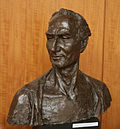

Schriftsteller aus Tschechien 3


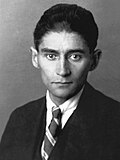
Fame.am misst Signale öffentlicher Sichtbarkeit. Es misst nicht den Wert eines Menschen, Talent, Moral oder Glaubwürdigkeit.