Wilhelm I.
Deutschland · Politiker · Lebte 1533 bis 1584 · im Alter von 51
Wilhelm I. wird in 68 Sprachen etwa 2.217 Mal am Tag gelesen.
Ein typischer Tag, 30 Tage bis 20. Oktober 2026
Der mittlere Tag der gezählten Tage, damit eine Nachrichtenwoche ihn nicht verschieben kann. Die Linie darunter zeigt die letzten 395 Tage, ein Punkt pro Tag.
Stimmt etwas nicht?Wilhelm I. (* 24. April 1533 in Dillenburg; † 10. Juli 1584 in Delft), Prinz von Oranien, Graf von Nassau-Dillenburg, genannt Wilhelm der Schweiger, volkstümlich Wilhelm von Oranien (niederländisch Willem de Zwijger bzw. Willem van Oranje), war ein niederländischer Staatsmann und Feldherr.
Text aus Wikipedia, CC BY-SA 4.0
Stationen eines Lebens
Fotos 8
 William I, Prince of Orange by Adriaen Thomasz. Key Rijksmuseum Amsterdam SK-A-3148
 Aanslag door Jean de Jauregui op Willem van Oranje, 1582 Serie 8 Nederlandse Gebeurtenissen, 1577-1583 (serietitel), RP-P-OB-78.784-206
 Aanslag door Jean de Jauregui op Willem van Oranje, 1582 Serie 8 Nederlandse Gebeurtenissen, 1577-1583 (serietitel), RP-P-OB-78.785-164
 Apologie van Pr Willem I van 1580 (page 1 crop)
 Arms of King William III
 Armstoel, Willem van Oranje, Diederik Jansz Graeff
 Battle of Oosterweel
 Battle scene- forces led by William of Orange crossing the Gete River to attack the Duke of Alba's army, from De Bello Belgico MET DP880645
In ihren eigenen Worten 10
 ,
It is the will of God, and we must submit; but I call my God to witness that I have done all that in me lay to save the city, utterly desperate as I knew the attempt to be.
I have come to make my grave in this land.
Tell the King, that whole cities are in open revolt against the prosecutions, and that it is impossible to enforce the decrees here.
Auszeichnungen
Familie
Eltern

 Wilhelm I.
Partner


Kinder
 Philip William, Prince of Orange
 Countess Maria of Nassau
 Countess Anna of Nassau
 Maurice, Prince of Orange
 Countess Emilia of Nassau
 Countess Louise Juliana of Nassau
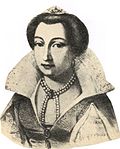 Countess Elisabeth of Nassau
 Countess Catharina Belgica of Nassau
 Countess Charlotte Flandrina of Nassau
 Countess Charlotte Brabantina of Nassau
 Countess Emilia Antwerpiana of Nassau
 Frederick Henry of Orange-Nassau
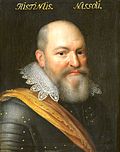 Justinus van Nassau
- Maria van Nassau
Geschwister

Ist das die ganze Familie?
Gezeichnet werden nur Verwandte, die hier ein Profil haben. Eine Familie kann also größer sein als die Zeichnung. Eine Linie kann auch falsch sein.
Diese Familie korrigierenZur Person
Wilhelm I. (* 24. April 1533 in Dillenburg; † 10. Juli 1584 in Delft), Prinz von Oranien, Graf von Nassau-Dillenburg, genannt Wilhelm der Schweiger, volkstümlich Wilhelm von Oranien (niederländisch Willem de Zwijger bzw. Willem van Oranje), war ein niederländischer Staatsmann und Feldherr. Seine Erfolge im Niederländischen Aufstand und im Achtzigjährigen Krieg, die zur Befreiung von der spanischen Fremdherrschaft und zur Unabhängigkeit der nördlichen Provinzen der Niederlande (Republik der Sieben Vereinigten Provinzen) führten, brachten ihm den Ehrentitel „Vater des Vaterlandes“ ein.
Text aus Wikipedia, CC BY-SA 4.0


Fame.am misst Signale öffentlicher Sichtbarkeit. Es misst nicht den Wert eines Menschen, Talent, Moral oder Glaubwürdigkeit.